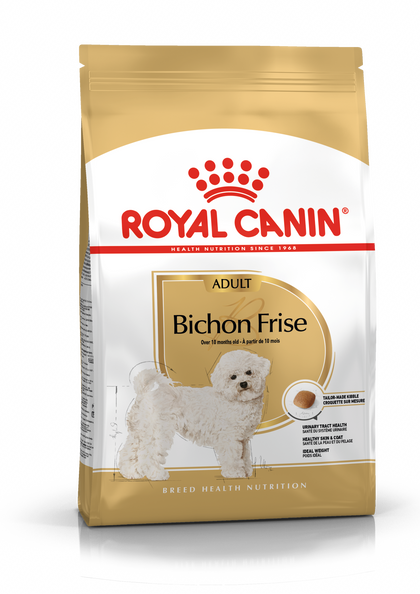
Bichon Frise Dog Food
Bichon Frise Food & Nutrition Guide
The Bichon Frise is a much-loved dog breed with its own personality, lifestyle and nutritional considerations. This page brings together breed-relevant food and feeding guidance to help you choose products that suit your pet’s needs.
About Bichon Frises
Bichon Frises can vary by age, activity level and body condition, so nutrition should be chosen around the individual pet rather than breed name alone. Some breeds are naturally active and athletic, while others are more relaxed or prone to gaining weight. A complete food chosen for your dog’s age, size and lifestyle can help support everyday health.
Nutrition for Bichon Frises
When choosing food for Bichon Frises, consider size, energy level, digestion, skin and coat condition, dental health and healthy weight. Look for complete recipes from trusted brands and follow the feeding guide carefully, especially if your pet is neutered, less active or has a sensitive stomach.
Recommended Bichon Frise food brands
Explore breed-appropriate options and specialist nutrition from leading brands:
Bichon Frise feeding FAQs
What is the best food for a Bichon Frise?
The best food for a Bichon Frise is usually a complete and balanced dog food matched to their age, size, activity level and any individual sensitivities.
How much should a Bichon Frise eat?
Feeding amounts vary depending on weight, age, activity and whether the food is wet, dry or mixed. Always check the feeding guide on the pack and adjust to keep a healthy body condition.
Can Bichon Frises eat wet and dry food together?
Yes, many dogs enjoy mixed feeding. Combining wet and dry food can add variety while still giving complete nutrition when fed according to the brand feeding guide.
If your pet has a medical condition, is on a veterinary diet or you are unsure which food is suitable, speak to your vet before changing their diet.